
The best things to do in Fes medina are the Chouara tannery terraces, the Bou Inania and Al-Attarine madrasas, a glimpse of Al Quaraouiyine, Seffarine square and the souks. Allow one full day with a licensed local guide.
The top things to do in Fes medina are watching the dyers at the Chouara tannery, admiring the carved cedar and zellige of the Bou Inania and Al-Attarine madrasas, peeking into the courtyard of Al Quaraouiyine and getting happily lost in the souks of Fes el Bali. One full day with a licensed guide covers the essentials; two days lets you slow down and enjoy the old city like a local.
Fes el Bali is the largest car-free urban area in the world and a UNESCO World Heritage Site since 1981. Below, our Fes-based drivers and guides share the route they actually use, realistic prices and the tips that make the difference.
What is Fes el Bali and why is the medina unique
Fes was founded at the end of the 8th century by Idris I and developed by his son Idris II from 808. Fes el Bali ("Old Fes") grew on both banks of the Fes river, with an Andalusian quarter and a Kairouan quarter, and reached its golden age under the Marinid dynasty in the 13th and 14th centuries. Its walls still enclose a labyrinth of thousands of lanes, fondouks (caravanserais), mosques, fountains and workshops.
What makes Fes different from Marrakech is its authenticity: the medina remains a living city where donkeys and mules carry goods, artisans hammer copper and craft guilds work as they did centuries ago. You can read more on the UNESCO page of the Medina of Fez. If you are still deciding between the two cities, see our comparison Fes vs Marrakech: which city first.
12 best things to do in Fes medina
1. Bab Boujloud, the Blue Gate
The classic entrance to Fes el Bali, built in 1913 with blue zellige on the outside and green on the inside (the colour of Islam). It opens onto the two main arteries, Talaa Kebira and Talaa Seghira.
2. Chouara tannery
The most famous sight in Fes, in use for centuries. Hides are soaked in limestone and pigeon-droppings baths, then dyed in stone vats with natural colours (poppy, indigo, saffron, henna, mint). You watch from the terraces of the surrounding leather shops; you will be offered a sprig of mint for the smell. Entry is free, but a small tip or a look at the shop is expected.
3. Bou Inania Madrasa
Built between 1350 and 1357 by the Marinid sultan Abu Inan Faris, it is one of the few religious buildings in Fes open to non-Muslims. Look for the carved cedar, stucco and the water clock opposite the entrance. Ticket approx. 20-30 MAD (check on site).
4. Al-Attarine Madrasa
Smaller and even finer, completed around 1325 next to the spice market. The courtyard is a masterpiece of zellige, stucco and wood. Climb to the upper floor when it is open for a view over the green tiled roofs.
5. Al Quaraouiyine mosque and university
Founded in 859 by Fatima al-Fihri, it is often cited as the oldest continuously operating university in the world. Non-Muslims cannot enter, but several doors offer a view into the white courtyard and its fountains. The restored library is generally closed to the public.
6. Seffarine square
A small triangular square where coppersmiths hammer giant cauldrons used for weddings. It is one of the most photogenic and noisy spots in the medina.
7. Nejjarine fountain and Museum of Wooden Arts
The Nejjarine fountain is a jewel of tiles, and the adjacent 18th-century fondouk houses a museum of carved cedar with a rooftop café.
8. Zaouia of Moulay Idriss II
The shrine of the city's founder, a major pilgrimage site. Non-Muslims can look through the entrance; the surrounding horm (sacred zone) has candle and nougat stalls.
9. Souks and fondouks
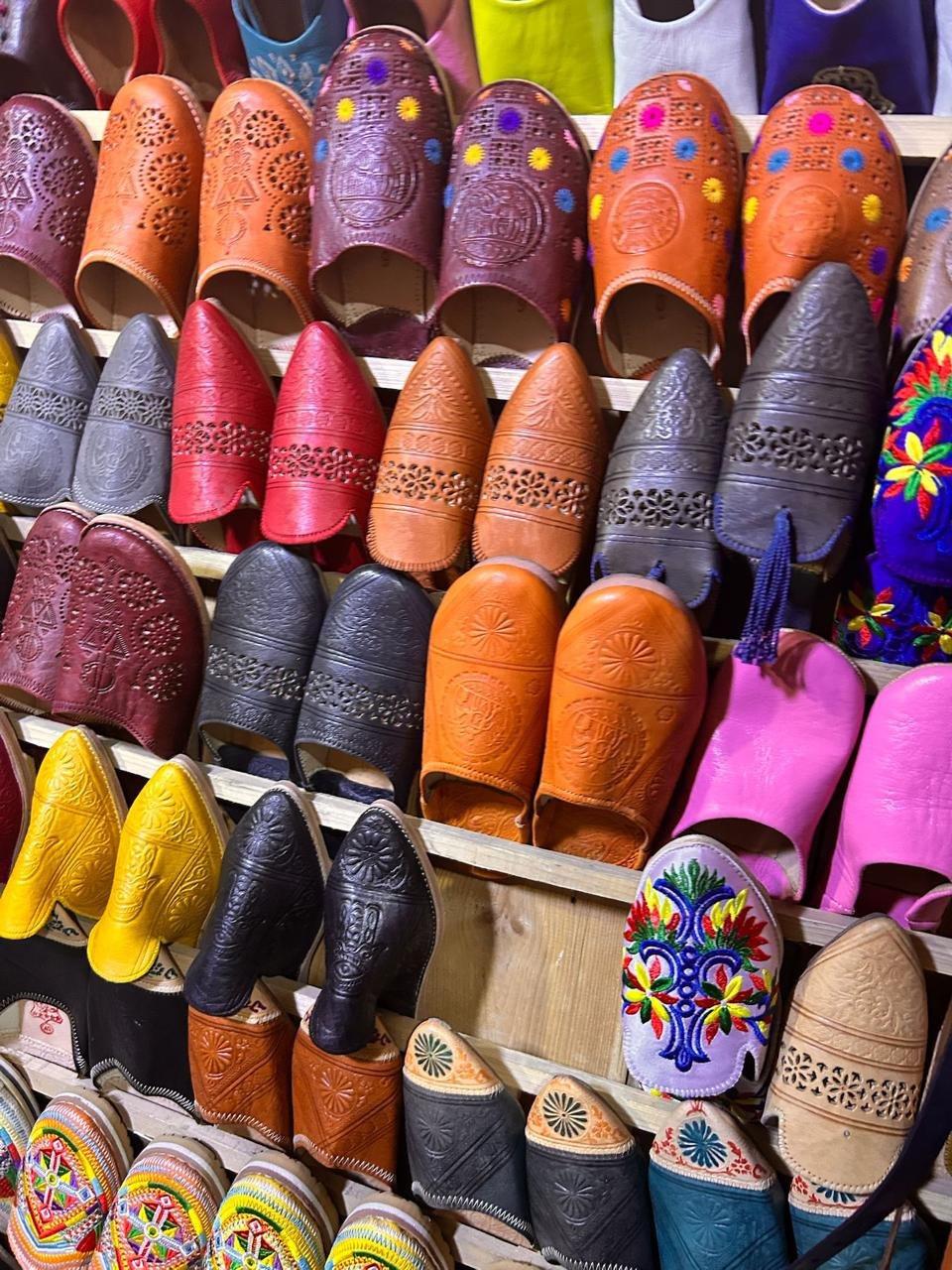
Wander the Henna souk, the Attarine spice market, the weavers' workshops and restored fondouks. Fes is the best place in Morocco to buy leather, brass, blue-and-white pottery and silk-thread embroidery.
10. Dar Batha museum
A 19th-century palace with an Andalusian garden and fine collections of Fes ceramics and crafts (check opening times, it has been renovated).
11. Borj Nord and the Merenid tombs
At sunset, drive up to the Merenid tombs for the best panoramic view of the medina, its minarets and the hills. Our drivers usually end a Fes day here.
12. Fes el Jdid and the Mellah
Just outside the old city, see the golden doors of the Royal Palace (Dar el Makhzen), the old Jewish quarter with its wooden balconies, and the Jewish cemetery.
Fes medina at a glance: practical data
| Sight | Time needed | Entry (approx.) | Best moment |
|---|---|---|---|
| Chouara tannery | 30-45 min | Free (tip 10-20 MAD) | 9-11 am |
| Bou Inania Madrasa | 30 min | 20-30 MAD | Morning |
| Al-Attarine Madrasa | 30 min | 20-30 MAD | Morning |
| Al Quaraouiyine (outside) | 15 min | Free | Outside prayer times |
| Nejjarine Museum | 45 min | approx. 20-30 MAD | Midday (rooftop café) |
| Merenid tombs viewpoint | 30 min | Free | Sunset |
Prices change; check on site before your visit.
Do you need a guide in Fes medina
Strictly speaking, no. In practice, a licensed guide is the best investment of your trip to Fes. The medina has very few signs, GPS is unreliable in narrow covered lanes, and young "faux guides" are persistent around Bab Boujloud. An official guide wears a badge, knows the workshops, explains the history and keeps the touts away.
- Price: approx. 30-60 EUR for a half day (3-4 hours), 50-90 EUR for a full day, per group, not per person.
- Shopping: tell your guide at the start if you do not want to shop. A good guide will respect it.
- Booking: with our private tours we arrange a licensed guide we have worked with for years.
If you prefer to walk alone, download an offline map, use the two main streets (Talaa Kebira and Talaa Seghira) as landmarks and politely decline unsolicited help.
A one-day itinerary in Fes el Bali
- 9:00 - Start at Bab Boujloud, walk down Talaa Kebira.
- 9:45 - Bou Inania Madrasa.
- 10:30 - Chouara tannery terraces while the vats are active.
- 11:30 - Al Quaraouiyine doors, Al-Attarine Madrasa, Seffarine square.
- 13:00 - Lunch: pastilla or a tanjia in a riad restaurant.
- 14:30 - Nejjarine Museum, Moulay Idriss II, souks and a weaving cooperative.
- 17:30 - Drive to the Merenid tombs for sunset.
With a second day, add Fes el Jdid, the Mellah, Dar Batha and a pottery workshop at Ain Nokbi, or a day trip to Meknes and Volubilis (see our Meknes and Volubilis day trip guide).
Practical tips for visiting Fes medina
- Dress: modest clothing (shoulders and knees covered) is respectful and practical.
- Shoes: the lanes are steep and slippery; wear comfortable closed shoes.
- Balek! When you hear this word, step aside: a mule or cart is coming.
- Cash: small shops and ticket offices often accept only dirhams; there are ATMs near Bab Boujloud and Batha.
- Haggling: it is normal; start around half of the first price and stay friendly.
- Where to stay: a riad inside the medina near Batha or Boujloud gives easy car access.
- Season: spring and autumn are ideal; July and August can exceed 38 °C. See the best time to visit Morocco.
From Fes medina to the Sahara
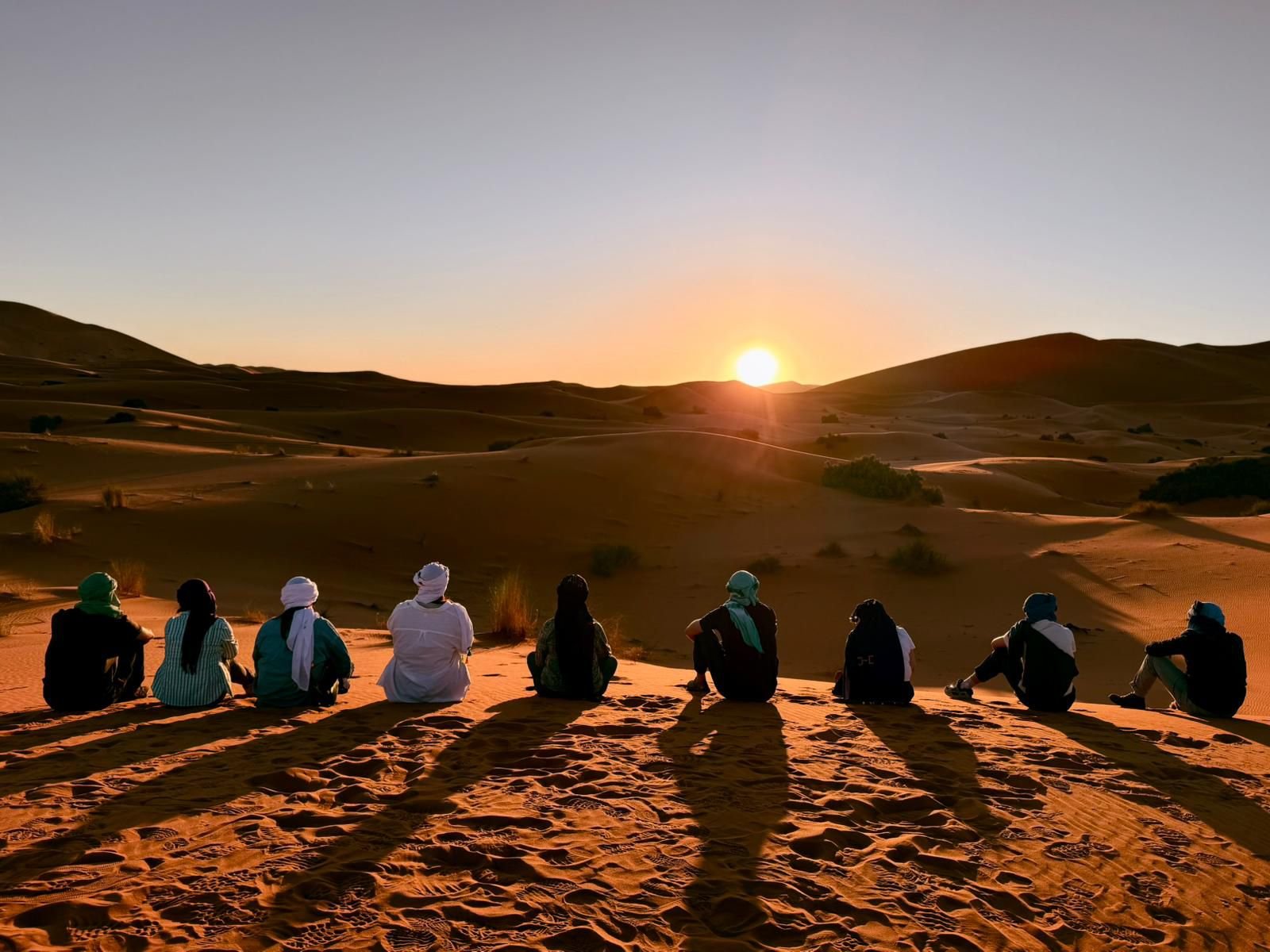
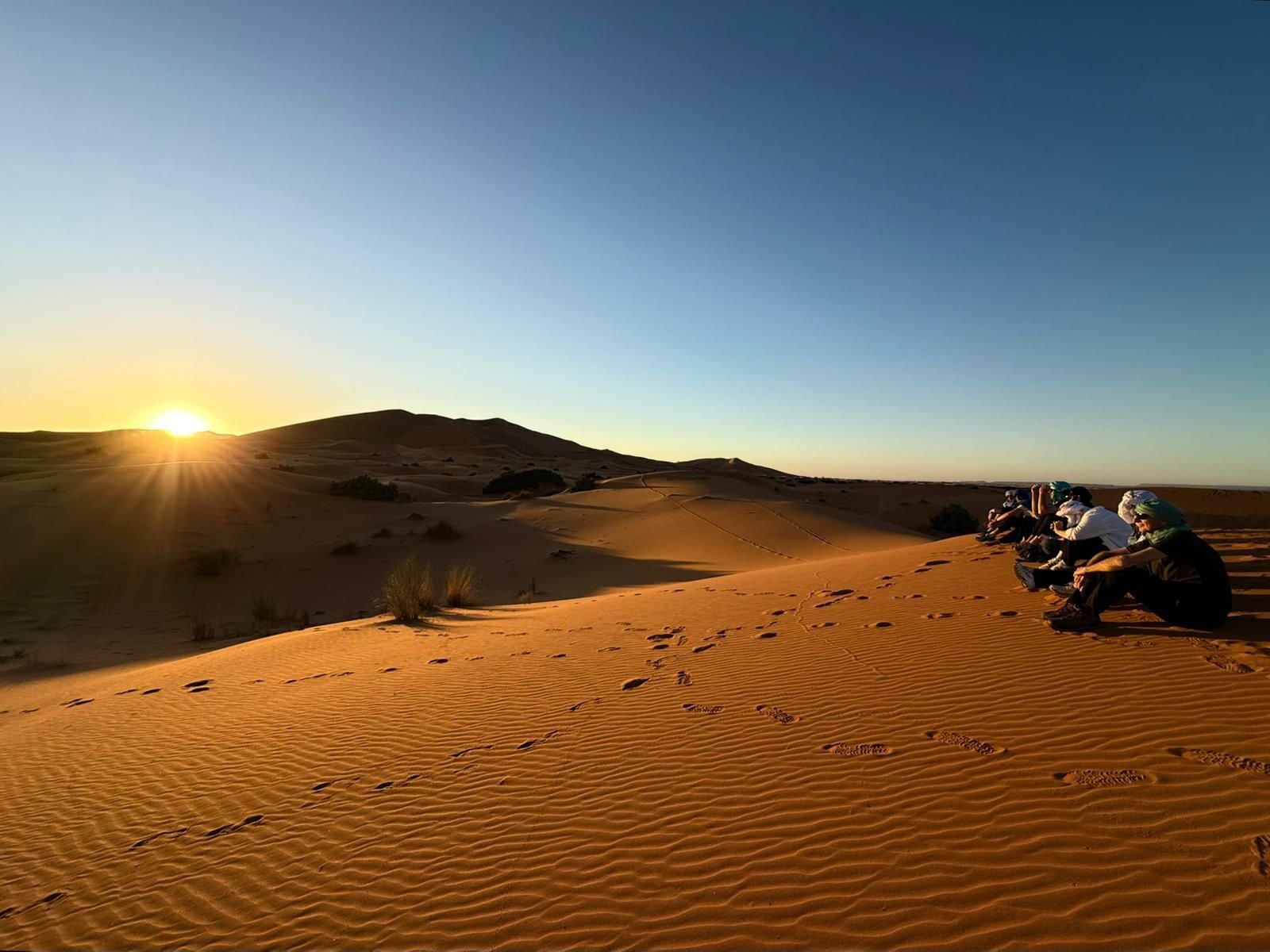
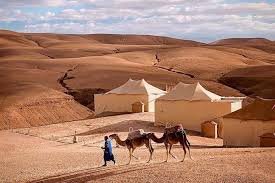
Fes is the natural starting point for the desert: Merzouga lies about 470 km south across the Middle Atlas. Many travelers spend one or two days in the medina, then leave with a private driver via Ifrane and the Ziz valley. Discover our desert tours from Fes or the popular 3-day desert expedition from Fes to Merzouga. Our Fes to Merzouga route guide details the stops.
Would you like a licensed guide in Fes followed by a private desert trip? Tell us your dates and wishes and we will send you a free, no-obligation private-tour quote within 24 hours via our contact page or WhatsApp.
Frequently asked questions
How many days do you need in Fes medina?
One full day is enough to see the main sights of Fes el Bali: the Chouara tannery, Bou Inania and Al-Attarine madrasas, Al Quaraouiyine and the souks. Two days are better if you want to add Fes el Jdid, the Mellah, museums, a cooking class or a pottery workshop, and to enjoy the medina at a slower, more relaxed pace without rushing between sights.
Is it safe to walk in Fes medina?
Yes, Fes medina is generally safe for visitors during the day and early evening. The main nuisances are unofficial guides and persistent sellers rather than crime. Keep valuables discreet, decline unsolicited help politely, and use a licensed guide on your first visit. After dark, stick to the main lanes or ask your riad to accompany you back if you are unsure of the route.
Can non-Muslims visit Al Quaraouiyine?
Non-Muslims cannot enter the Al Quaraouiyine mosque, which is still an active place of worship. However, you can see its white courtyard, fountains and arches through several open doors around the building. The Bou Inania and Al-Attarine madrasas nearby are open to all visitors and give an excellent idea of the Marinid architecture and craftsmanship of the period.
What is the best time to visit the Chouara tannery?
The best time is in the morning, roughly between 9 and 11 am, when the craftsmen are working in the dye pits and the light falls well on the colourful vats. The smell is stronger in summer heat, so a morning visit is also more comfortable. Avoid Friday around midday, when many workshops and leather shops close for prayer.