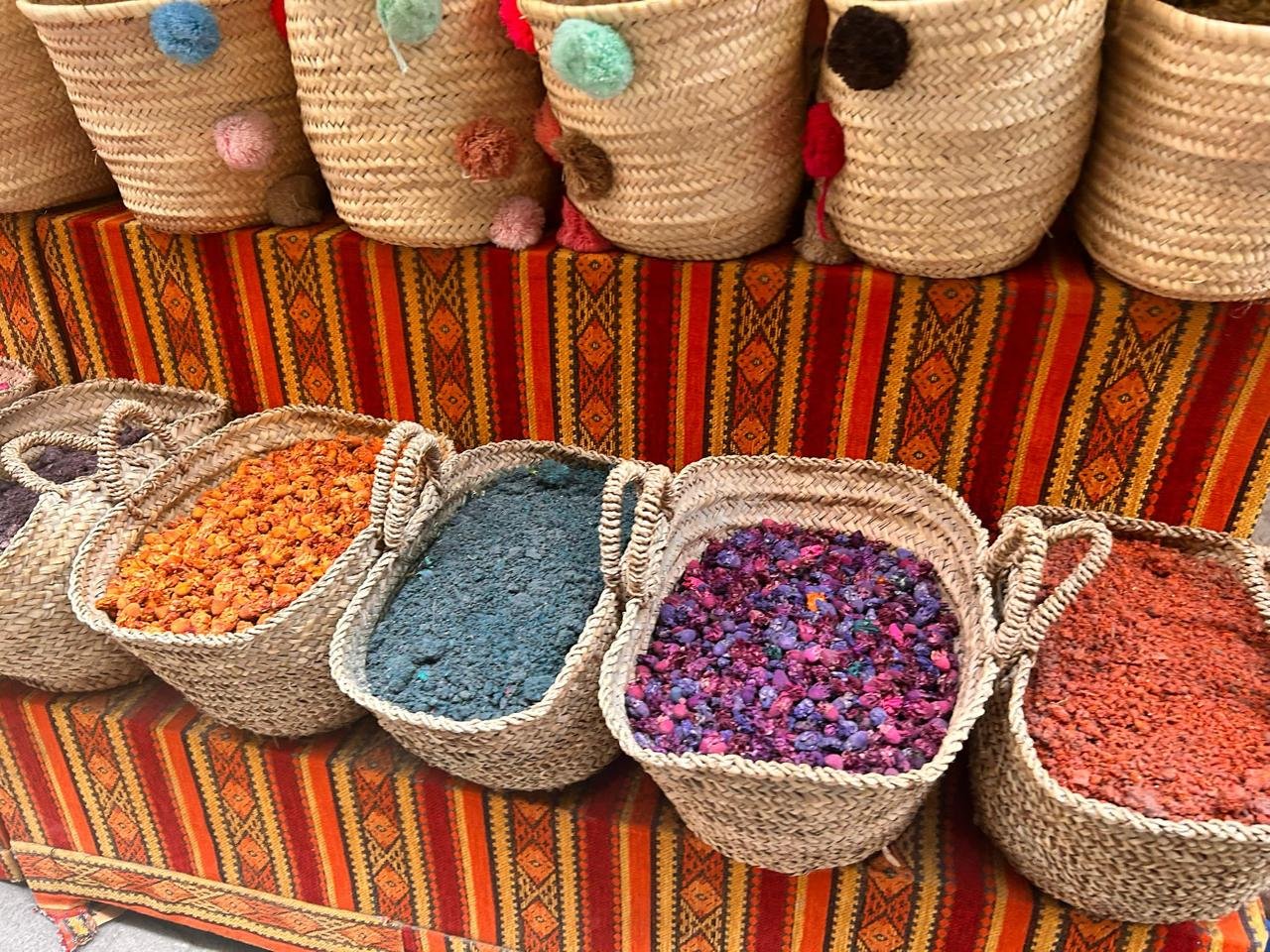
A cooking class in Marrakech usually lasts 3-5 hours, starts with a souk or garden visit for spices and vegetables, and teaches you to cook a tagine, Moroccan salads, bread or couscous, then eat your meal. Expect approx. 35-90 EUR per person.
A cooking class in Marrakech is one of the most rewarding half days you can spend in the city: in 3 to 5 hours you shop for spices and vegetables in the souk, learn to cook a tagine, cooked Moroccan salads and often bread or couscous with a local cook, then sit down to eat what you made. Classes range from medina riad kitchens to farm settings in the Palmeraie or the Atlas foothills, at approx. 35-90 EUR per person. Here is what you will learn and how to choose the right class.
What you learn in a Moroccan cooking class
Moroccan cuisine is built on slow cooking, balanced spices and the play between sweet and savory. A good class teaches technique, not just a recipe.
The tagine
The star of almost every class. You will learn to layer onions, meat or vegetables, spices and olive oil in the conical clay pot, and to cook gently on a low flame or charcoal brazier. Classic versions are chicken with preserved lemon and olives, beef or lamb with prunes and almonds, and vegetable tagine for vegetarians.
Couscous
Traditionally a Friday family dish. Some classes show how to steam semolina in a couscoussier and roll the grains by hand, served with seven vegetables. It takes time, so it is more common in longer classes.
Cooked salads and starters
- Zaalouk: smoky aubergine and tomato dip.
- Taktouka: roasted peppers and tomatoes.
- Carrot salad with cumin and orange blossom.
- Harira: the tomato, lentil and chickpea soup, especially popular during Ramadan.
Bread, pastries and tea
Many classes include kneading khobz (round bread) to bake in the neighborhood oven, or flaky msemen pancakes. Almost all finish with the ritual of mint tea, poured from a height to create foam. Pastilla, the sweet-and-savory pie, appears in premium classes.
In our experience, the techniques matter more than the list of dishes: how long to sweat the onions, when to add saffron, why a tagine should never boil hard, and how much water a couscous needs at each steaming. Those are the details that let you reproduce the flavors at home.
The market visit: spices, herbs and souk secrets
The best Marrakech cooking classes start in the souk or a local market. With your chef you buy vegetables, fresh herbs and spices, and learn to recognize real saffron, the blend ras el hanout (literally "head of the shop", which can contain 20 or more spices), cumin, sweet paprika, ginger and turmeric. You also discover preserved lemons and the cured butter smen.
Our guests often say this was where they truly understood Moroccan food, and where they bought spices to take home at fair prices. If you plan more shopping, read our Marrakech souks shopping guide.
Types of cooking classes in Marrakech compared
There are three main styles, and the right one depends on your time, budget and how hands-on you want to be.
| Class type | Setting | Duration | Price per person (approx.) | Best for |
|---|---|---|---|---|
| Riad or medina workshop | Kitchen in the old city, souk visit on foot | 3-4 h | 35-60 EUR | Short stays, couples, first-timers |
| Farm or countryside class | Palmeraie, Agafay or Atlas foothills, garden harvest | 4-6 h incl. transfer | 50-90 EUR | Families, nature lovers, a calmer setting |
| Private class | Riad, villa or with a local family | 3-5 h | 70-150 EUR | Food lovers, dietary needs, special occasions |
| Berber village cooking | Village home in Ourika or Imlil, during a day trip | Lunch session 1.5-2 h | Often included in the day trip | Combining cooking with mountain scenery |
Prices are indicative and vary with season, group size and inclusions; check what transport, drinks and recipes are included.
How to choose the best cooking class in Marrakech
- Group size: 6-10 people maximum, or each guest gets a workstation. Large groups often mean watching rather than cooking.
- Hands-on cooking: ask whether you cook your own dish or the chef demonstrates.
- Market visit included: it adds context and is often the most memorable part.
- Language: most classes run in English and French; ask if you need Spanish or another language.
- Dietary needs: vegetarian and vegan tagines are easy; tell the class about allergies and gluten (couscous and bread contain wheat).
- Timing: morning classes finish with lunch, ideal before a free afternoon; evening classes become your dinner.
- Recipes to take home: good classes give printed or digital recipes.
Fitting a cooking class into your Marrakech itinerary
A morning class is easy to combine with a relaxed afternoon at the Majorelle Garden or a hammam. If you have three days in the city, our 3 days in Marrakech itinerary shows where it fits best. For a countryside version, many guests pair cooking with a mountain outing: on our day trips from Marrakech, we can arrange lunch and a tagine lesson with a Berber family in the Ourika Valley or near Imlil.
- Book 1-2 weeks ahead from March to May and October to December.
- Avoid scheduling a class on your arrival day; flights are often delayed.
- During Ramadan, some classes adapt hours or focus on ftour (the evening fast-breaking meal), a unique experience.
- Buy a small tagine to take home only if you check it is glazed for cooking, not just decorative.
Bringing Moroccan flavors home
After your class, you will want to cook again at home. Buy whole spices rather than ground blends, keep saffron in an airtight container, and choose an unglazed or food-safe glazed clay tagine with a heat diffuser if you cook on gas or electric. To learn about the dishes you will meet on the rest of your trip, read our Moroccan food guide, and for the history of Marrakech's food culture, the Moroccan cuisine article on Wikipedia is a good overview.
Make it part of a tailor-made trip
A cooking class is one of many experiences we can add to your journey, alongside riads, desert nights and guided visits. Explore our Morocco private tours for ideas, then send us your dates for a free quote; we will suggest the class that fits your tastes and timing.
Frequently asked questions
How much does a cooking class in Marrakech cost?
Group cooking classes in Marrakech usually cost approx. 35-60 EUR per person in the medina and 50-90 EUR for countryside classes including transfers. Private classes for couples or families typically range from 70 to 150 EUR per person. Prices depend on season, group size, market visit and transport, so always check what is included before booking.
What do you cook in a Moroccan cooking class?
Most classes teach a tagine, such as chicken with preserved lemon and olives or beef with prunes, plus two or three cooked salads like zaalouk and taktouka, and finish with mint tea. Longer classes may include couscous, bread, harira soup or pastilla. Vegetarian versions are easy to arrange if you ask in advance.
Is a market visit included in Marrakech cooking classes?
Many classes include a market or souk visit, where you buy vegetables and learn about spices like saffron, cumin and ras el hanout, but not all do. Countryside classes may replace it with picking herbs and vegetables in the garden. If the market visit matters to you, confirm it when you book, as it is often the highlight.
Are cooking classes in Marrakech suitable for children?
Yes, many classes welcome children, especially from around age 6, and kneading bread or decorating salads is great fun for them. Farm classes outside the city are often the most relaxed option for families. Ask about minimum ages, knife and stove safety and child pricing, and mention any allergies when you book.